What to expect at your first meeting with a foreclosure attorney
By Lena Ferraro · Updated 2026-07-12

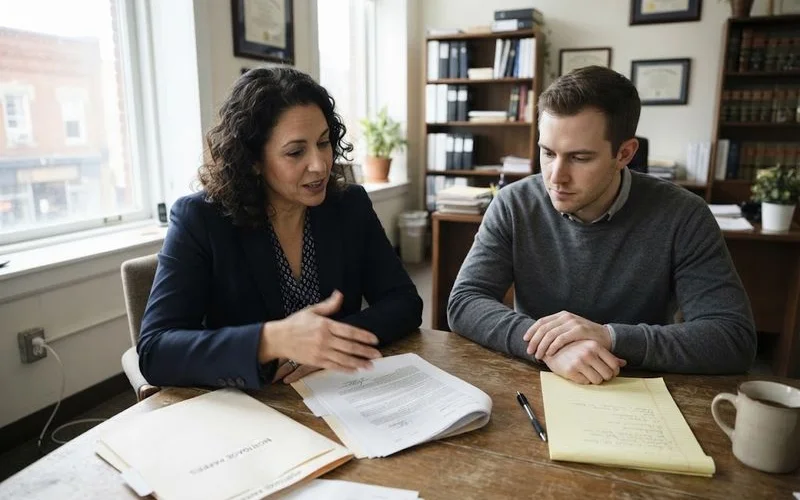
Walking into a first meeting with a foreclosure attorney without knowing what to expect adds stress to an already stressful situation. Knowing the general shape of that first conversation helps you get more out of it, and helps you spot whether a particular attorney is a good fit.
What to bring
A productive consultation depends a lot on what you show up with. A useful starting list:
- The summons and complaint, if a lawsuit has been filed
- Your most recent mortgage statement, showing the amount past due
- Any letters or emails from your servicer about modification, forbearance, or other loss mitigation options
- A rough monthly budget, or at least a sense of your income and major expenses
You do not need this list to be perfect. Even an incomplete picture gives the attorney enough to start giving you real guidance rather than generic advice.
What a good attorney will ask you
Expect questions that go beyond just “how much do you owe.” A thorough consultation usually covers:
- How far along the case is, and whether you have already been served
- Whether you want to keep the home, sell it, or are undecided
- Your income stability and whether a modification or repayment plan seems realistic
- Other debts that might make bankruptcy relevant to your situation
- Any communication problems you have had with the servicer or debt collectors
What a good attorney will tell you
| A strong consultation includes | A weaker one might skip |
|---|---|
| A realistic range of likely outcomes, not a guaranteed result | Overly confident promises about the case result |
| A clear explanation of fees and what they cover | Vague or evasive answers about cost |
| Next steps with rough timing | No concrete plan for what happens next |
| Honest acknowledgment of what is uncertain in your case | Pressure to sign immediately without time to think |
Client feedback on attorneys in this space consistently points to clear communication and honest explanations as the biggest differentiators, more than any single legal tactic.
Questions worth asking the attorney
Do not hesitate to turn the conversation around. Reasonable questions include how many foreclosure cases they typically handle, how they usually communicate updates (phone, email, a client portal), and what a realistic timeline looks like for a case like yours. How an attorney answers these, not just what they say, tells you a lot about what working together would actually feel like.
Red flags worth noticing
A few patterns are worth taking seriously if you notice them in a first meeting: pressure to pay a large fee immediately before any written agreement, vague answers about how communication will work going forward, or promises that sound too certain given how early your case is. None of these alone are disqualifying, but together they are worth weighing against how you felt in the room.
What happens after the first meeting
A first consultation usually ends with a general direction rather than a finished plan: perhaps a recommendation to file an answer by a certain date, a referral to gather specific documents, or a suggestion to also apply for loan modification review in parallel. Expect a follow-up step, whether that is signing a fee agreement, scheduling a second call once you have decided, or the attorney reaching out once they have reviewed something you provided. If a first meeting ends with no clear next step at all, that is worth noting when you compare it against other consultations.
Choosing who to meet with
The foreclosure defense attorneys listed on this directory are scored using client sentiment, responsiveness, and case-related feedback, which can help you narrow down who to call first. You can browse the full list from the Cleveland Metro directory homepage, and the how we rank page explains that scoring approach in detail.
This guide describes a typical consultation and is not legal advice. What is discussed and recommended in your specific meeting will depend on the facts of your case.
FAQ
- How long does a first consultation usually take?
- Most initial consultations run somewhere between 30 minutes and an hour, though it can be shorter or longer depending on the complexity of your case.
- Do I need to bring anything to the meeting?
- Bring your summons and complaint if you have been served, recent mortgage statements, any servicer correspondence, and a rough summary of your income and expenses.
- Will the attorney tell me exactly what will happen in my case during the first meeting?
- A good attorney will give you a realistic range of outcomes and next steps, but a full case strategy usually takes more than one conversation to firm up.
- Is it normal to meet with more than one attorney before deciding?
- Yes. Many homeowners talk to two or three attorneys before choosing, especially since free or low-cost consultations are common in this area.
Related on this site
- Browse foreclosure defense litigation providers
- The Ohio judicial foreclosure process, step by step
- You received a foreclosure summons in Ohio: what to do in the first week
- What a foreclosure defense attorney costs in Cleveland Metro
- How a Chapter 13 repayment plan works to catch up on your mortgage
- All guides →