You received a foreclosure summons in Ohio: what to do in the first week
By Lena Ferraro · Updated 2026-06-05
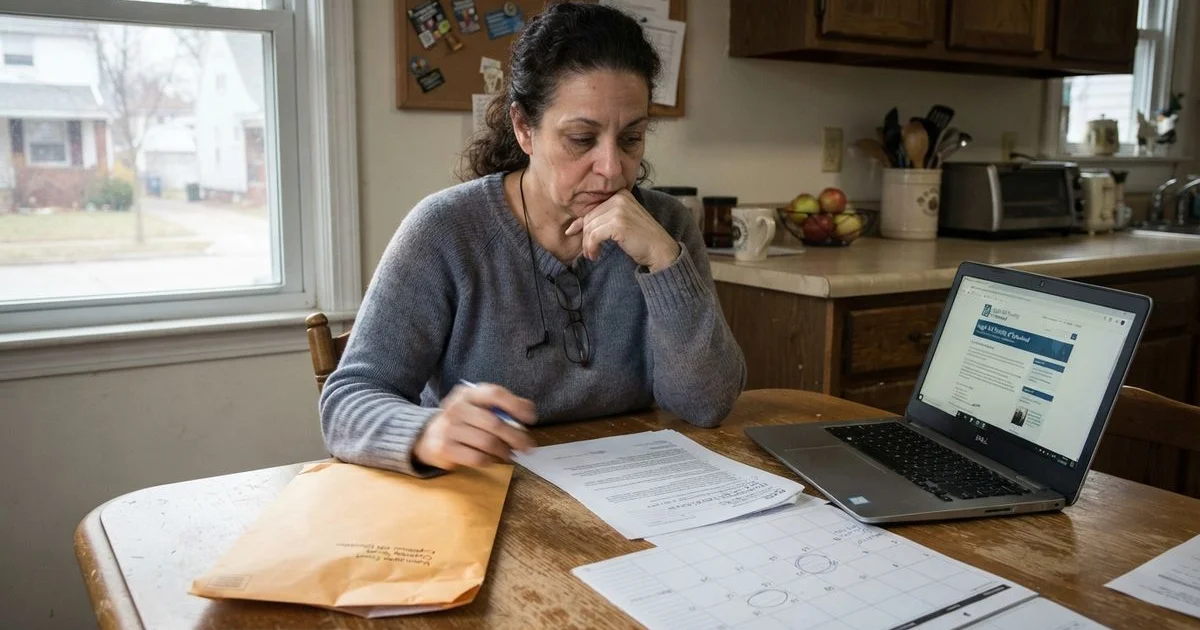
Getting served with a foreclosure summons is the moment this stops being an abstract worry and becomes a legal deadline. The good news is that the first week matters more than almost any other stretch of the case, and there is a clear, short list of things to do.
Day one: read the documents carefully
The paperwork you were handed includes a summons and a complaint. The summons states your deadline to respond, usually 28 days from service in Ohio. The complaint lays out who is suing you (often a loan servicer, not your original lender), how much they say you owe, and what they are asking the court to do. Write the response deadline on a calendar immediately. This single date drives everything else.
This week: figure out your realistic options
Before you decide how to respond, take stock of where you actually stand. Ask yourself:
- Do I want to keep the house, or would selling or a supervised exit make more sense?
- Can I document my current income, in case a loan modification review is realistic?
- Is bankruptcy, particularly Chapter 13, something worth exploring given my other debts?
- Do I have a genuine dispute about the amount owed or who owns the loan?
None of these questions need a final answer this week. What matters is starting the conversation early enough that your response deadline does not sneak up on you.
Filing an answer versus doing nothing
| If you… | What typically happens next |
|---|---|
| File a timely answer | The case proceeds through normal litigation; you keep the right to contest and negotiate |
| Miss the deadline entirely | The lender can move for default judgment, often within weeks |
| Respond late but before judgment | Courts have discretion, but a late answer is riskier and not guaranteed to be accepted |
| Reach a modification deal before your deadline | The case may pause or the lender may dismiss it, depending on terms |
Filing something by the deadline, even a bare-bones answer, generally preserves far more options than doing nothing.

Who to call, and in what order
A reasonable first-week sequence looks like this: call your loan servicer to ask directly whether loss mitigation options like a modification are on the table, and separately, talk to a foreclosure defense attorney about your answer and your legal position. These two conversations serve different purposes. The servicer call is about the loan itself. The attorney conversation is about your legal deadline and your standing in court. Doing both in the same week, rather than picking one, gives you the fullest picture before your answer is due.
What not to do
Avoid ignoring calls or letters from the court or the opposing attorney’s office out of stress or embarrassment. Missed communication is one of the most common reasons cases go sideways for homeowners, not because the underlying facts were hopeless, but because deadlines passed unanswered. It also helps to avoid making promises to pay amounts you cannot actually verify or afford; get any repayment or modification offer in writing before relying on it.
It also helps to resist the urge to research your specific defenses on general internet forums and treat that as legal advice. Foreclosure cases turn on details specific to your loan documents, your servicing history, and your county’s procedures, and a strategy that worked for someone else’s case may not apply to yours at all.
How the second and third weeks usually unfold
Once your answer deadline is on the calendar and you have had an initial conversation or two, the following weeks typically settle into a more manageable rhythm: gathering documents your attorney or a housing counselor requests, following up on any loss mitigation application you started, and waiting on the court’s scheduling for the case. This stretch can feel slow after the intensity of the first week, which is normal. A slow-moving case is not the same as a losing one, and the extra time is often what makes a modification or a negotiated resolution possible.
Where to go from here
Once you have your answer deadline marked and a first attorney conversation scheduled, the rest of the process becomes far more manageable. The homepage of this Cleveland Metro directory lists attorneys who handle exactly this kind of case, and the how we rank page explains how those listings are scored if you want to understand the methodology before choosing who to call.
This article explains general procedure and is not legal advice. Foreclosure deadlines and defenses depend on the specific facts of your case, so confirm your actual answer date and options with a licensed attorney.
FAQ
- How many days do I have to respond after being served?
- Ohio generally gives a defendant 28 days from the date of service to file an answer, though the exact deadline is printed on your summons and can vary by case.
- What happens if I miss the deadline to answer?
- The lender can ask the court for a default judgment, which moves your case toward a sheriff's sale much faster because there is no dispute left to resolve.
- Do I need a lawyer to file an answer?
- You are allowed to answer on your own, but a foreclosure defense attorney can spot procedural issues and defenses you would likely miss without legal training.
- Should I keep making mortgage payments after being sued?
- That depends on your goals. Continuing to pay may support a modification request, while stopping payments is sometimes part of a bankruptcy or negotiation strategy. Talk this through with an attorney before deciding.
Related on this site
- Browse foreclosure defense litigation providers
- The Ohio judicial foreclosure process, step by step
- What a foreclosure defense attorney costs in Cleveland Metro
- What to expect at your first meeting with a foreclosure attorney
- Behind on your mortgage after a job loss: your options in Cleveland Metro
- All guides →