The Ohio judicial foreclosure process, step by step
By Lena Ferraro · Updated 2026-06-01

Ohio handles foreclosure through the court system, not through a private auction process a lender can run on its own. That single fact shapes almost everything else about the timeline: every foreclosure here starts with a lawsuit, and a homeowner who understands each stage has more chances to act than the process seems to suggest at first. If you are looking for someone to walk your specific case through this, the attorneys profiled on the Cleveland Metro directory handle foreclosure defense day to day.
Why Ohio’s process runs through court
In a judicial foreclosure state, the lender has to prove its case to a judge before a home can be sold. That means a summons, a complaint, deadlines to respond, and a public case docket you can track by name at the county clerk of courts. Compare that to a non-judicial state, where a lender can often foreclose through a trustee sale with no lawsuit at all. The tradeoff for Ohio homeowners is that the court process takes longer, but it also builds in more checkpoints where a case can settle, pause, or get dismissed.
The stages, in order
1. Missed payments and pre-foreclosure notices. Most servicers wait until a loan is 90 to 120 days delinquent before referring the file to a foreclosure attorney, though federal servicing rules and any state-specific notice requirements affect the exact timing.
2. The complaint and summons. The lender’s attorney files a foreclosure complaint with the county common pleas court and has you served, usually by sheriff or process server. This is the point most homeowners first realize a case is active, and it starts a strict response clock.
3. Your answer. Ohio gives a defendant a limited window, typically 28 days from service, to file an answer. Missing this step is the single biggest reason cases end in a fast default judgment.
4. Discovery and motions (contested cases). If you answer and raise defenses, the case moves into a period of exchanging documents and, sometimes, motions over things like whether the lender can prove it owns the note.
5. Judgment. If the lender wins, whether by default or after a contested hearing, the court enters a judgment and decree of foreclosure setting the amount owed and ordering the property sold.
6. Sheriff’s sale. The county sheriff schedules and runs the auction. In many Ohio counties there is also a confirmation hearing afterward before the sale is finalized and a new deed issues.
What actually changes the timeline
| Factor | Effect on timeline |
|---|---|
| Filing a timely answer | Adds months; forces the lender to litigate rather than default you |
| Requesting mediation or loss mitigation review | Can pause the case while options are reviewed |
| Filing Chapter 13 bankruptcy | Triggers an automatic stay that halts the sale immediately |
| Court backlog in your county | Adds weeks to months regardless of your own actions |
| Doing nothing after service | Shortens the timeline dramatically toward default judgment |
Where a homeowner still has room to act
The biggest misconception is that once a lawsuit is filed, the outcome is fixed. It usually is not. Answering the complaint on time preserves your right to contest the case and to negotiate from a stronger position, and it is exactly the kind of early-case work the foreclosure defense attorneys listed on this directory handle regularly. Many cases also settle through a loan modification or repayment plan while the lawsuit is technically still open, since lenders generally prefer a performing loan to a foreclosed one.
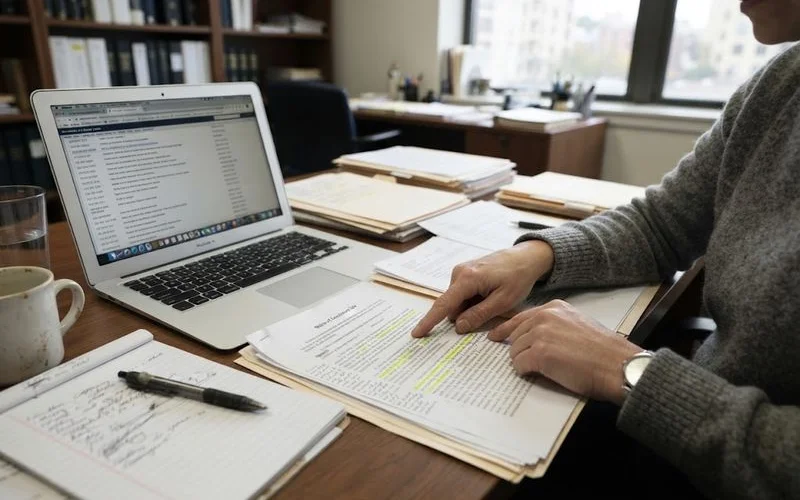
What to bring to your first legal conversation
Whoever you talk to, whether a private attorney or a housing counselor, the conversation moves faster if you can show up with:
- The summons and complaint, if you have already been served
- Your most recent mortgage statement showing the amount past due
- Any letters from the servicer about loss mitigation, forbearance, or modification offers
- A rough sense of your monthly income and expenses
The general shape of a Cleveland Metro case
Every county’s docket moves at its own pace, and Cuyahoga County’s court backlog can add real time to an otherwise straightforward case. That is worth knowing going in: a case that looks slow is not necessarily going badly, and a case that looks fast is not necessarily lost. The directory’s ranking methodology explains how we evaluate the foreclosure attorneys listed here, if you are trying to figure out who to call next.
This guide covers the general Ohio judicial foreclosure process. It is not legal advice, and the specific deadlines and options in your case depend on the county, your loan documents, and how far along your case already is. A foreclosure defense attorney can review your summons and confirm your actual deadlines.
FAQ
- Does every foreclosure in Ohio go through court?
- Yes. Ohio is a judicial foreclosure state, so a lender cannot sell your home without first filing a lawsuit and getting a judgment from a common pleas court.
- How long does the process usually take from filing to sheriff's sale?
- It varies a lot by county and by whether the homeowner answers the lawsuit, but several months to a year or more is common in Cuyahoga County when a case is contested.
- Can I stop the process after the lender has already filed suit?
- Often yes. Filing a timely answer, negotiating a loan modification, or filing bankruptcy can all still change the outcome even after a lawsuit starts.
- What happens if I do nothing after being served?
- The court is likely to enter a default judgment against you, which clears the way for a sheriff's sale on a timeline the lender controls.
Related on this site
- Browse foreclosure defense litigation providers
- You received a foreclosure summons in Ohio: what to do in the first week
- What a foreclosure defense attorney costs in Cleveland Metro
- What to expect at your first meeting with a foreclosure attorney
- How a Chapter 13 repayment plan works to catch up on your mortgage
- All guides →