Selling your house before a foreclosure sale in Ohio
By Lena Ferraro · Updated 2026-07-16
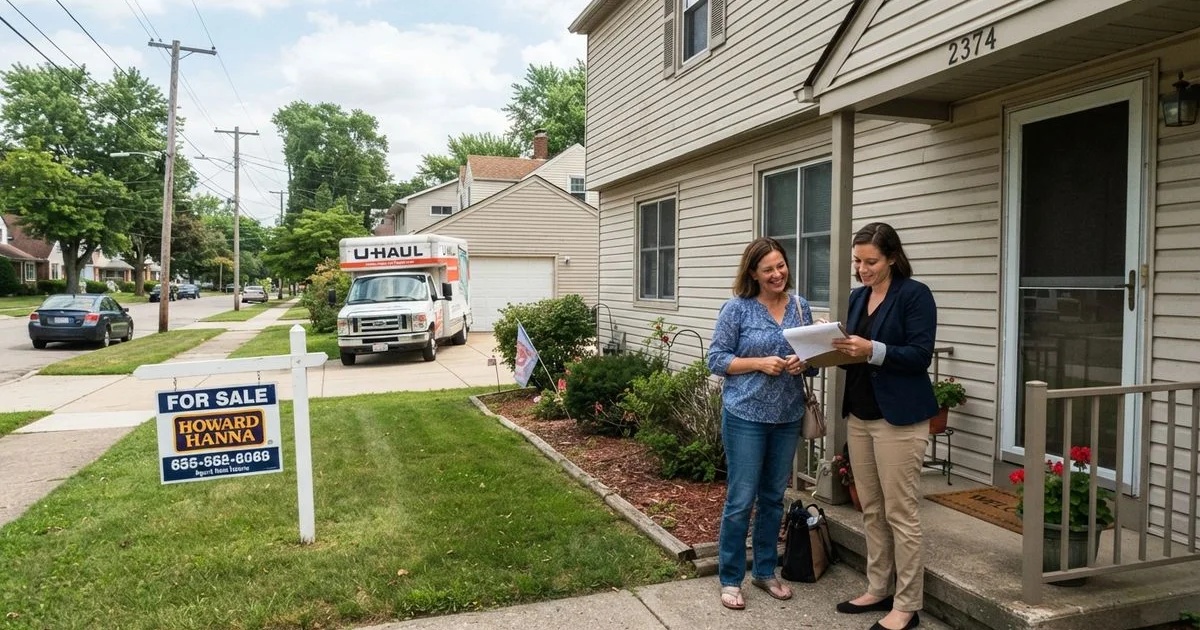
Selling the house is not the first option most people think of when a foreclosure case is active, but for homeowners who have decided keeping the property no longer makes sense, it is often a cleaner outcome than letting the case run to a sheriff’s sale. Common reasons this decision comes up include a job change, downsizing, or a divorce that leaves shared mortgage responsibility unclear.
Why selling can be a better outcome than a sheriff’s sale
A traditional sale on the open market, or even a reasonably quick one, generally nets more money than a sheriff’s sale auction, where properties frequently sell below market value. Selling also gives you more control over timing, moving logistics, and how the transaction is documented, compared to an auction process driven entirely by the court calendar.
How the timeline actually works
- Get a realistic payoff figure from your servicer. This tells you what the lender needs to release its lien, which is different from your original loan balance once fees and interest are included.
- List and market the property, ideally with an agent who understands the added time pressure of an active case.
- Negotiate an offer and open escrow, making sure your attorney and the closing agent know a foreclosure case is active so the case can be coordinated with the closing.
- Close before the sheriff’s sale date. The lender is paid off from the proceeds at closing, and that payoff generally allows the pending case to be resolved or dismissed.
The tightest part of this timeline is almost always step one and two: getting a payoff figure and finding a buyer quickly enough to close before the sale date. Starting this process the moment you decide to sell, rather than waiting, matters more than almost anything else.
What if the home is worth less than you owe
If a sale would not cover the full payoff, you are in short-sale territory, which requires the lender’s agreement to accept less than what is owed. This is a more involved negotiation than a standard sale and often runs on its own timeline separate from the foreclosure case itself, so it deserves a dedicated conversation with an attorney rather than a same-week decision.
| Situation | General path |
|---|---|
| Home value covers the full payoff | Standard sale, proceeds pay off the lender at closing |
| Home value is close to the payoff | Standard sale still likely, tighter margin for closing costs |
| Home value is well under the payoff | Short sale negotiation with the lender required |

Keeping the legal case and the sale coordinated
If a lawsuit is already active, your attorney and your real estate agent need to be talking to each other, not working in separate lanes. A closing that happens without the case being updated in court can create confusion, even if the sale itself goes smoothly. This is one of the more common coordination failures that slows things down unnecessarily, and it is easy to avoid by simply telling both sides about the other from the start.
Pricing to sell within a deadline
A home under time pressure is not the same listing as one with no deadline attached, and pricing strategy should reflect that honestly. An agent experienced with distressed timelines can help you price to attract a serious offer quickly rather than optimizing for the highest possible number and risking a slower sale that misses the sheriff’s sale date entirely. This is a tradeoff worth discussing openly with your agent rather than defaulting to a standard listing strategy built for a seller with no time constraint.
Getting help with a coordinated exit
Selling while a foreclosure case is open touches both real estate and litigation, which is why it helps to talk to a real estate and title law attorney who can coordinate the closing with whoever is handling your court case, if that is a different person. You can find attorneys who handle this from the Cleveland Metro directory, and the how we rank page explains how those listings are scored.
This guide is general information, not legal or financial advice. The specific timeline available to you depends on where your case stands and your loan terms, so confirm your options with your servicer and an attorney as early as possible.
FAQ
- Can I sell my house even after a foreclosure lawsuit has started?
- In many cases yes, as long as the sale closes before the sheriff's sale date and the lender agrees to release its lien at closing, usually by being paid off from the proceeds.
- Do I need the lender's permission to sell?
- You do not need permission to list the home, but the lender's lien has to be satisfied at closing, so their payoff figure and cooperation matter to the timeline.
- What if my house is worth less than I owe?
- That situation, often called being underwater, generally requires the lender's agreement to accept less than the full payoff, which is a different process worth discussing with an attorney early.
- How much time do I realistically have to sell before a sheriff's sale?
- It depends entirely on where your case stands, but the earlier you decide to sell, the more realistic a normal-market sale timeline becomes rather than a rushed one.