Foreclosure after a divorce: who is responsible for the mortgage in Ohio
By Lena Ferraro · Updated 2026-07-28
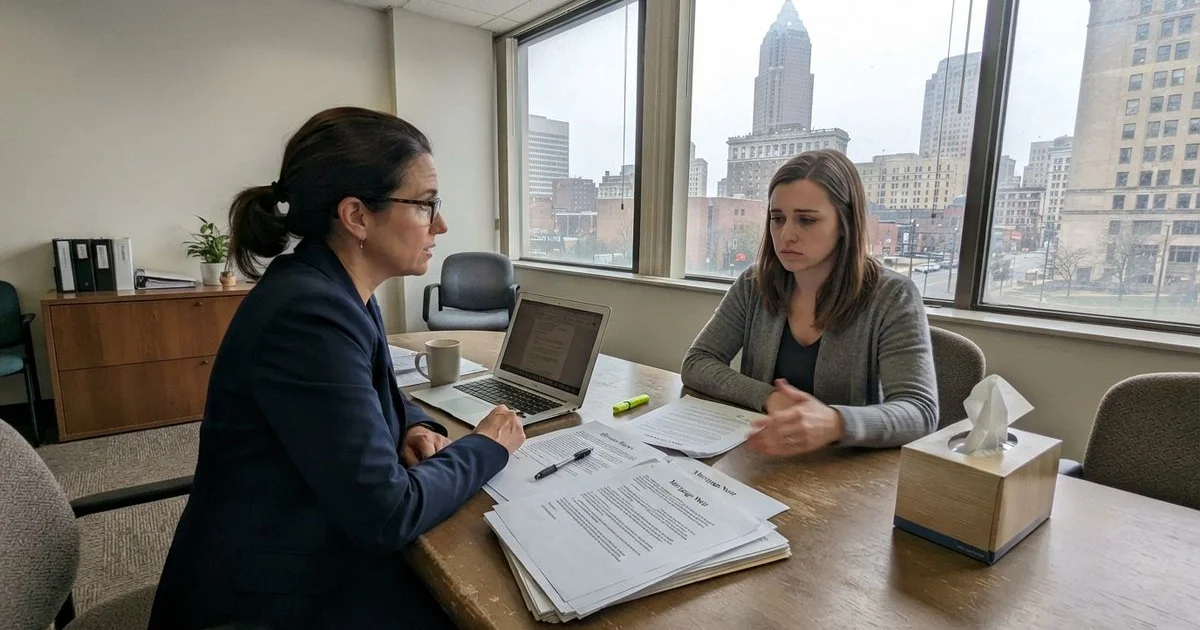
Divorce and mortgage debt intersect in a way that surprises a lot of people: a divorce decree can say one spouse is responsible for the mortgage, and that agreement can still leave the other spouse on the hook if the loan itself was never actually changed.
Why a divorce decree is not the same as a loan release
A divorce decree is a court order between the two spouses. It can assign responsibility for the mortgage as part of the settlement. But the mortgage itself is a separate contract with the lender, and the lender is not automatically bound by the divorce decree. If both spouses’ names remain on the original note, the lender can still pursue either person for missed payments, and either person’s credit can be affected, regardless of what the decree says about who is supposed to pay.
The two ways to actually separate mortgage liability
Refinancing. The spouse keeping the home refinances the loan solely in their name, paying off the original joint loan. This is the cleanest way to remove the other spouse’s liability, but it requires qualifying for a new loan on one income, which is not always realistic right after a divorce.
Loan assumption. Some loan types allow one spouse to formally assume the existing loan, transferring liability with the lender’s approval, without a full refinance. This option is not available for every loan type, so it is worth checking early rather than assuming it applies.
If neither happens, both spouses generally remain liable on the original mortgage no matter what the divorce decree says internally.
A quick reference
| Situation | What it means for you |
|---|---|
| Your name is on the mortgage, decree says ex-spouse pays | You remain liable to the lender if payments stop |
| Loan was refinanced into ex-spouse’s name only | You are generally released from lender liability |
| Loan assumption was approved by the lender | You are generally released from lender liability |
| No refinance or assumption occurred | Both parties usually remain liable regardless of the decree |
What to do if you discover a problem
If you learn that a mortgage you are still legally tied to has fallen behind, do not wait to see if it resolves itself. Contact the servicer to understand the loan’s current status, and talk to an attorney about both your options on the mortgage and any recourse you may have under the divorce decree against your ex-spouse. These are two separate legal tracks, one about the lender relationship and one about enforcing the divorce agreement, and untangling them usually requires guidance rather than guesswork.
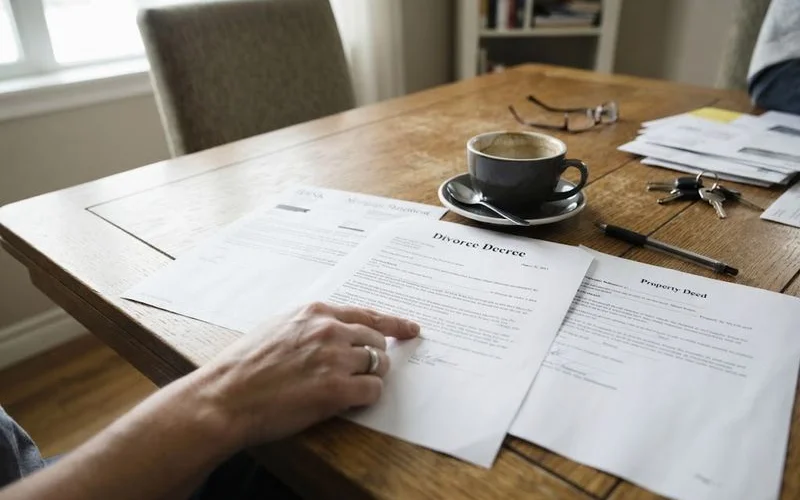
Protecting yourself going forward
If a divorce is still in progress and a home with a shared mortgage is part of the settlement, push to get the refinance or assumption completed as close to the divorce finalization as possible, rather than treating the decree language alone as sufficient protection. Delays here are one of the more common ways someone ends up facing a foreclosure notice for a home they thought was no longer their responsibility.
When the home was already sold as part of the divorce
Sometimes a divorce settlement calls for selling the home rather than one spouse keeping it. If that sale has not closed yet and mortgage payments lapse in the meantime, both spouses can still be affected even though the home was never meant to stay with either of them long-term. In that situation, moving the sale forward quickly matters even more than it would for someone keeping the property, since both names are exposed for as long as the loan remains open and unpaid.
Getting the right legal guidance
Untangling mortgage liability after divorce touches both family law and real estate law, so it helps to work with a real estate and title law attorney who understands how the two interact. You can find attorneys through the Cleveland Metro directory, scored using the methodology explained on the how we rank page.
This guide provides general information, not legal advice specific to your divorce decree or mortgage. Confirm your actual liability and options with a licensed attorney familiar with both family law and mortgage lending.
FAQ
- If my divorce decree says my ex-spouse pays the mortgage, am I still liable?
- Often yes, if your name remains on the original loan. A divorce decree is an agreement between spouses, but it does not automatically remove either person's obligation to the lender unless the loan itself is refinanced or the lender releases you.
- Can I be foreclosed on for a house I no longer live in?
- Yes, if your name is still on the mortgage, a lender can pursue foreclosure and it can affect your credit, regardless of who currently lives in the home.
- How do I get my name off a mortgage after divorce?
- Typically through refinancing the loan into the other spouse's name alone, or in some cases through a lender-approved loan assumption, since a divorce decree by itself does not remove you from the original note.
- What should I do if I just found out my ex-spouse stopped paying the mortgage?
- Contact the servicer immediately to understand the loan's current status, and talk to an attorney about your options and how the divorce decree affects your position.