Your rights under the FDCPA when a debt collector contacts you in Ohio
By Lena Ferraro · Updated 2026-06-13
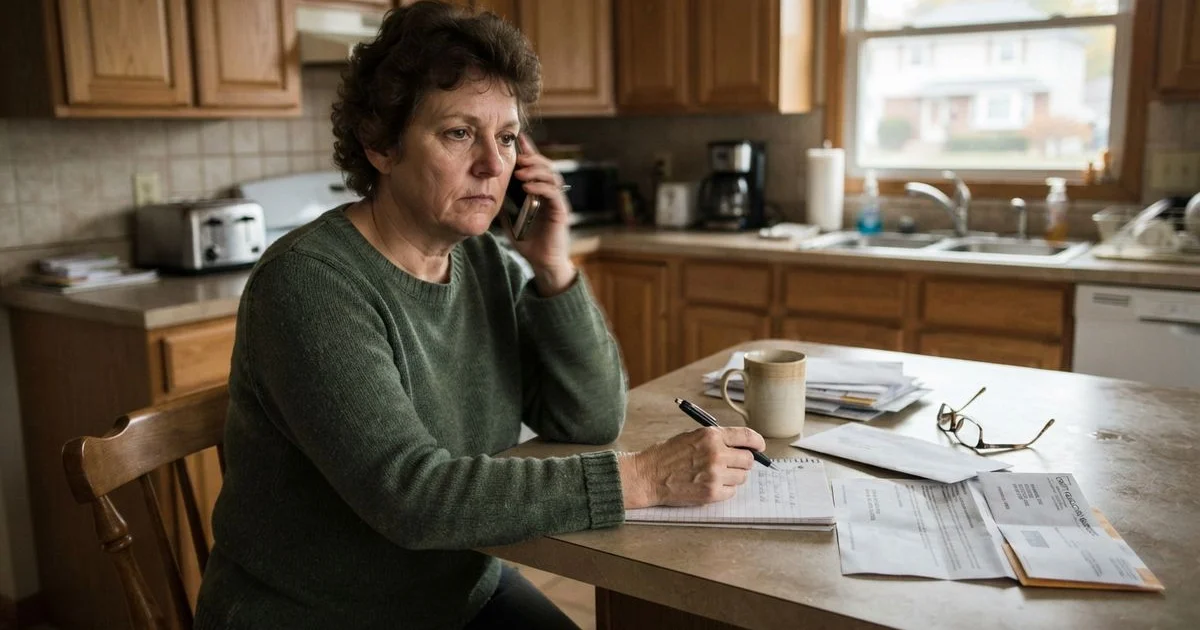
Falling behind on a mortgage often means an uptick in phone calls, letters, and sometimes conduct that crosses a legal line. The Fair Debt Collection Practices Act, or FDCPA, sets real limits on what debt collectors can do, and knowing those limits helps you tell the difference between a normal collection call and something worth challenging.
What the FDCPA actually covers
The FDCPA regulates how third-party debt collectors, and in many circumstances mortgage servicers collecting on debt in default, can contact and pressure consumers. Core protections include:
- Restricted calling hours, generally 8 a.m. to 9 p.m. in your local time zone
- A ban on harassing, threatening, or abusive language
- A prohibition on misrepresenting the amount owed or your legal rights
- A right to request, in writing, that contact stop entirely except for specific legal notices
- A right to dispute the debt and demand verification within a set window after first contact
Common violations tied to mortgage collection
Reviews and complaints in this space consistently point to a handful of recurring problems: unreturned calls that string a homeower along, inconsistent or contradictory information from different representatives, and communication that simply stops when a case gets complicated. Some of that is poor customer service rather than an FDCPA violation, but a few patterns cross into legal territory, including repeated calls after a written cease-communication request, threats of action the collector has no intention or legal ability to take, and contacting you directly after you have told them you are represented by an attorney.
Documenting a possible violation
| Step | Why it matters |
|---|---|
| Note date, time, and caller name for every contact | Establishes a pattern, not just a single incident |
| Save voicemails and texts | Direct evidence is stronger than a memory of what was said |
| Keep copies of any letters received | Written misstatements are easier to prove than verbal ones |
| Write a short summary right after the call | Details fade fast; write them down within the hour if possible |
This kind of record is exactly what a consumer debt and FDCPA attorney will ask for during an initial consultation, so building the habit early makes that first meeting far more useful.

What a claim can actually accomplish
An FDCPA claim is not primarily about stopping your foreclosure. It is a separate legal track that addresses how you were treated during collection, and it can result in statutory damages, actual damages, and in many cases the collector paying your attorney fees. Some homeowners pursue an FDCPA claim alongside their foreclosure defense, since the two issues often arise from the same underlying file and the same collector conduct.
The difference between rude and illegal
Not every unpleasant call is a legal violation, and it helps to separate the two before assuming a claim exists. A collector being short with you, or calling more often than you would like within legal hours, is unpleasant but not automatically illegal. What crosses the line is more specific: calling outside permitted hours, misrepresenting the amount owed or your legal status, continuing contact after a documented cease request, or threatening action the collector cannot actually take, such as implying criminal charges over a civil debt. If you are unsure which category your experience falls into, describing it plainly to an attorney, rather than deciding for yourself in advance, is the fastest way to get a real answer.
A short statute of limitations to keep in mind
FDCPA claims generally must be brought within one year of the violation, which is a shorter window than many other types of legal claims. This is one more reason documenting problems as they happen, rather than waiting to see how the broader foreclosure case unfolds, matters. Waiting too long can close off a claim even when the underlying conduct was clearly improper.
Where this fits into your broader situation
If you are dealing with FDCPA issues, it is worth checking whether the same servicer or debt is connected to an active or upcoming foreclosure case. The two problems are often intertwined but require different legal strategies, so mentioning both when you first talk to an attorney gets you a more complete picture. If you want the broader legal picture beyond collection calls, the Ohio foreclosure laws guide covers what homeowners are protected against through the whole process. You can browse attorneys who handle both areas from the Cleveland Metro directory homepage, and the how we rank page explains how those listings are scored.
This article explains general FDCPA protections and is not legal advice. Whether specific conduct violates the law depends on the facts of your case, so talk to a licensed attorney before relying on anything here as a legal conclusion.
FAQ
- Does the FDCPA apply to my mortgage servicer?
- It applies to third-party debt collectors and, in many cases, to servicers collecting debt they did not originate. Whether it applies to your original lender directly depends on the facts, so a consumer debt attorney can confirm your specific situation.
- Can a debt collector call me at any hour?
- No. The FDCPA generally restricts collection calls to between 8 a.m. and 9 p.m. in your time zone, and prohibits repeated calls meant to harass.
- What should I do if I think a collector violated the law?
- Write down the date, time, what was said, and who called, then consult a consumer debt attorney about whether the conduct supports a claim.
- Can I tell a debt collector to stop contacting me?
- Yes. A written request to stop contact, called a cease communication letter, generally requires the collector to stop calling except to confirm they received it or to notify you of specific legal actions.